Diving Albania
Dive Site Guide

Albania Diving Sites

The Albanian coastline harbors over thirty catalogued dive sites between Vlora and Ksamil, most of them opened to recreational divers only after 2010. This guide maps the accessible locations, explains certification requirements for each zone, and identifies the arrival windows that deliver the best visibility.

7 min read Updated 2026-11-05 Fact-checked
Albania Diving Sites

Quick answer

Albania diving sites concentrate along the Saranda and Vlora coastlines, with entry free to shore-accessible locations while boat-based sites require operator arrangements. Morning departures between 09:00 and 11:00 secure the calmest conditions before afternoon thermal winds reduce visibility. Most Riviera sites accept Open Water certification; deeper wrecks and the Karaburun caves require Advanced credentials and guided descents.

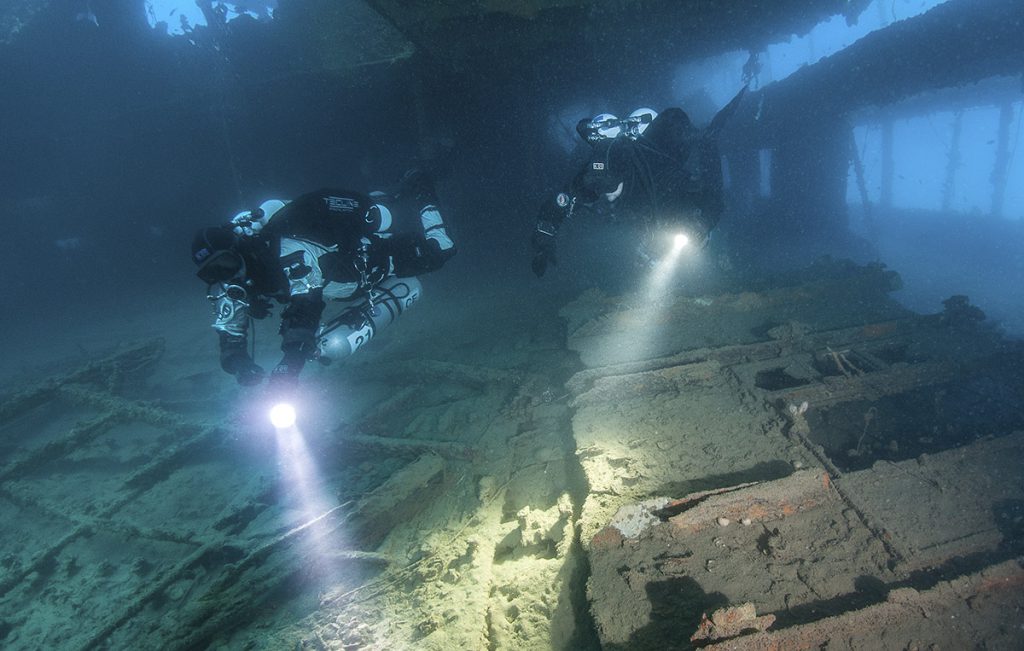
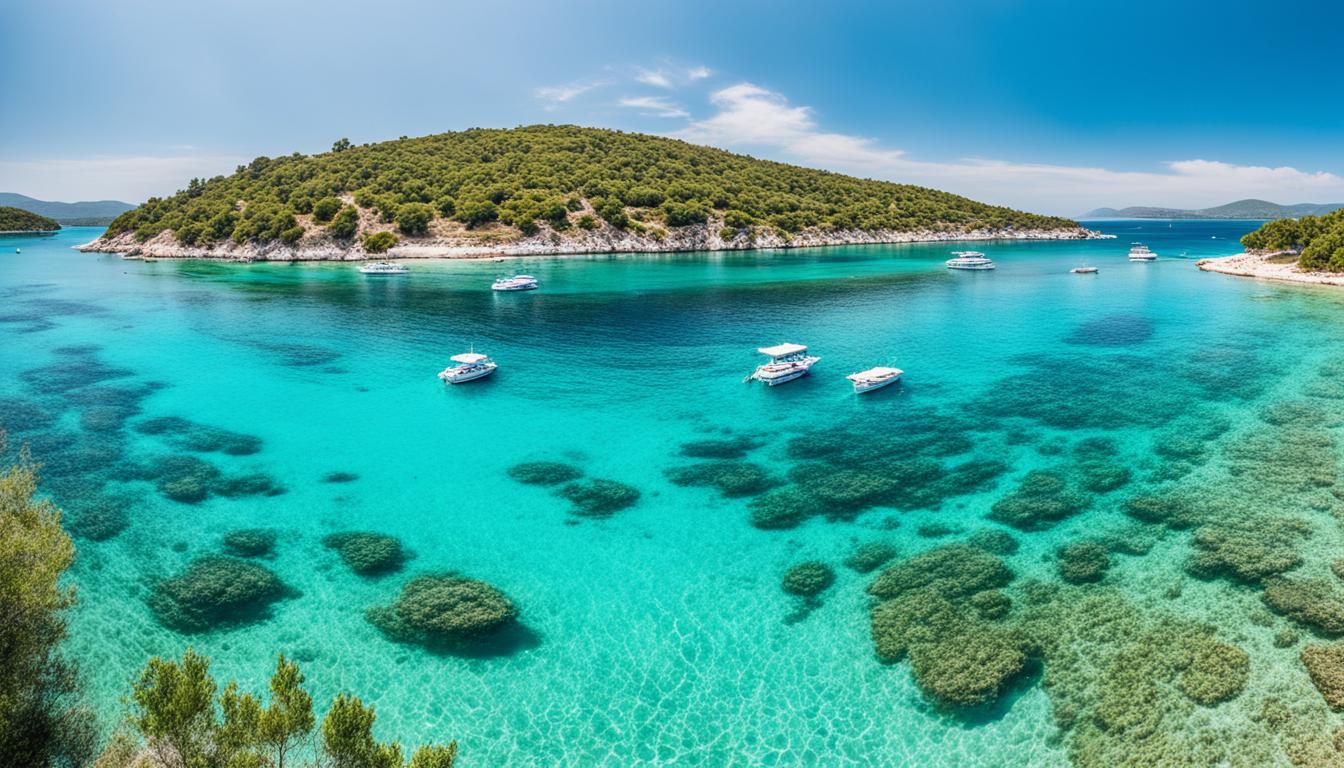
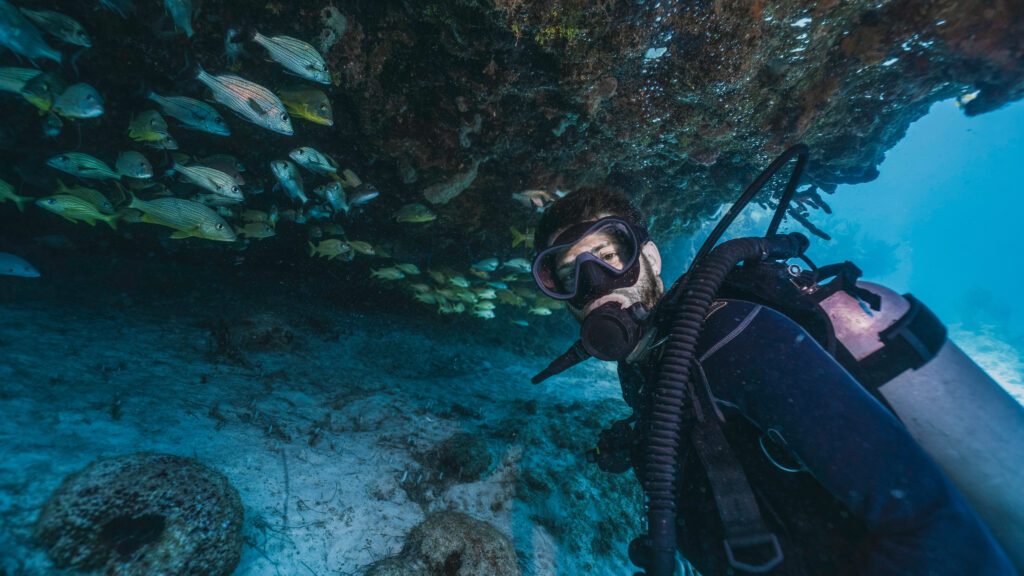
The Ionian seabed off Albania remained a military exclusion zone until the early 2000s, which left reefs, wrecks and cave systems undisturbed for decades. Today the corridor between Sazan Island and Ksamil holds thirty-two documented sites ranging from shallow coral gardens at eight meters to the Porto Palermo wreck at thirty-four meters. Saranda serves as the operational hub for southern sites. Operators run daily boat trips to the Monastery Wall, a vertical limestone face descending to forty meters where grouper and moray eels occupy crevices, and to the Tongo site near Ksamil, where a concrete barge rests at twelve meters among seagrass beds. The town's protected bay allows year-round shore entries at Mirror Bay and the Forty Saints site, both suitable for newly certified divers. Visibility averages fifteen meters in summer, extending to twenty-five meters during autumn and spring when plankton blooms subside and wave action settles. Vlora anchors access to northern dive zones including the Karaburun Peninsula marine park. The Haxhi Ali Cave requires a thirty-meter descent through a narrow chimney into a cathedral chamber lit by surface shafts; only Advanced divers with cavern training join these expeditions. Offshore from Vlora, the Amantia reef system shelters octopus, cuttlefish and seasonal schools of barracuda across a plateau between eighteen and twenty-six meters. Water temperature ranges from fourteen degrees Celsius in February to twenty-six degrees in August, dictating wetsuit thickness. Albania diving sites operate under a self-declaration system for shore entries. Boat-based descents require booking through licensed operators who coordinate with harbor authorities and carry oxygen kits. Certification cards receive inspection before boarding; rental equipment undergoes daily pre-dive checks. The absence of hyperbaric facilities in Albania means the nearest recompression chamber sits in Corfu, Greece, 90 minutes by ferry from Saranda, a logistics factor that shapes conservative dive planning across the Riviera.

“The Albanian seabed remained a military exclusion zone until the early 2000s, leaving reefs and wrecks undisturbed for decades.”
Prices

Admission Fees and Costs for Albania Diving Sites

Access to diving sites in Albania is free of charge. Costs are only incurred when engaging professional operators for guided boat dives and equipment rental.

Diving Site Access Public waters are free to access
0 EUR
Guided Boat Dive Set by individual dive operators
Variable
Equipment Rental Set by individual dive operators
Variable
Entry to all diving sites is free for everyone.
What to see

Notable Underwater Features of Albania Diving Sites

The underwater landscape of the Albanian Riviera features a blend of natural rock formations, submarine caves, and historical shipwrecks. These sites provide diverse environments ranging from shallow coastal reefs to deeper offshore wreckage.

Saranda Wreck

Saranda Wreck

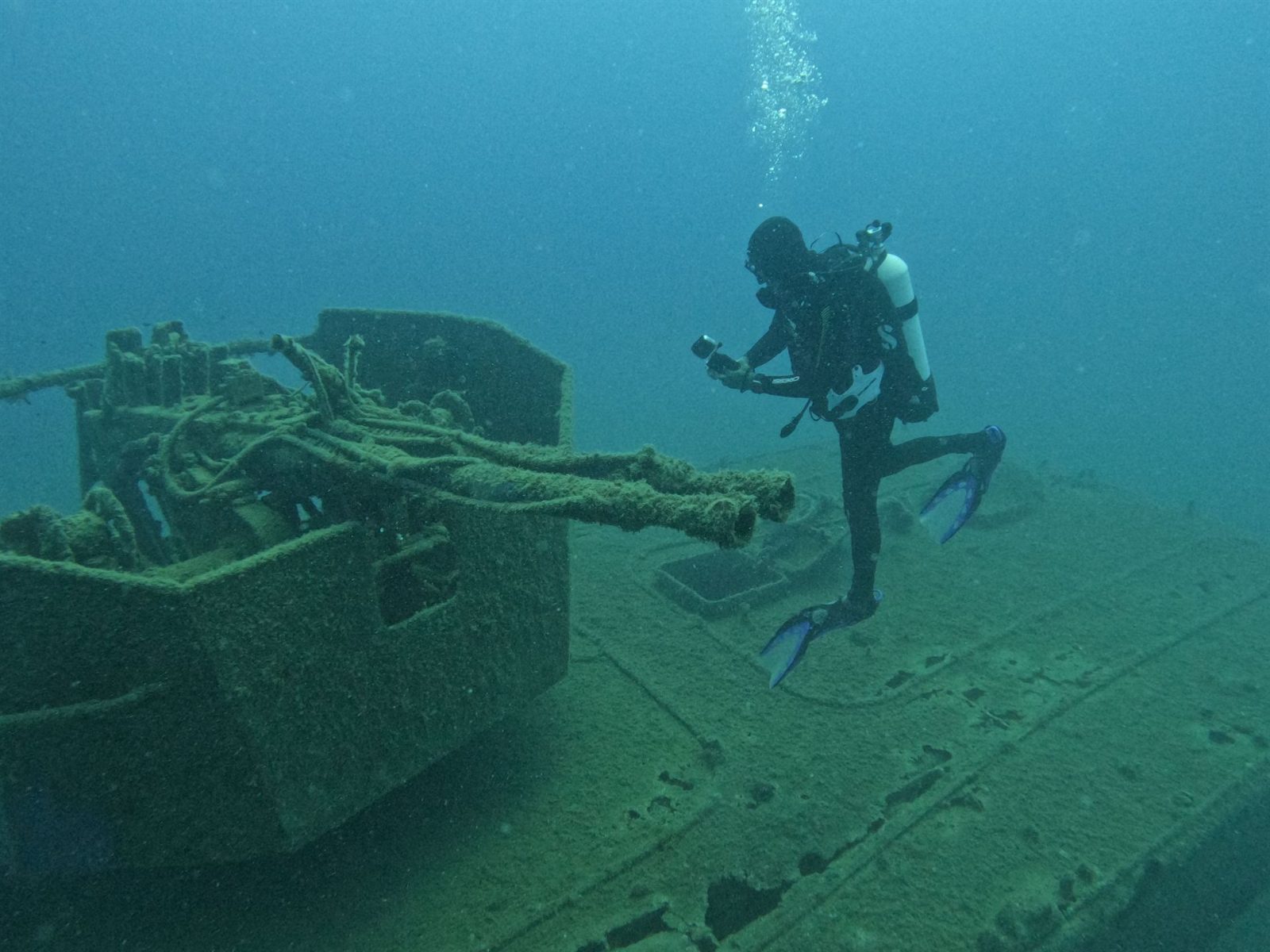
This site features a well-preserved vessel resting on the seabed, providing a habitat for local marine species. Divers often observe schools of bream and occasional groupers near the hull structure.

Approach the wreck slowly to avoid disturbing sediment layers.
Karaburun Peninsula

Karaburun Peninsula

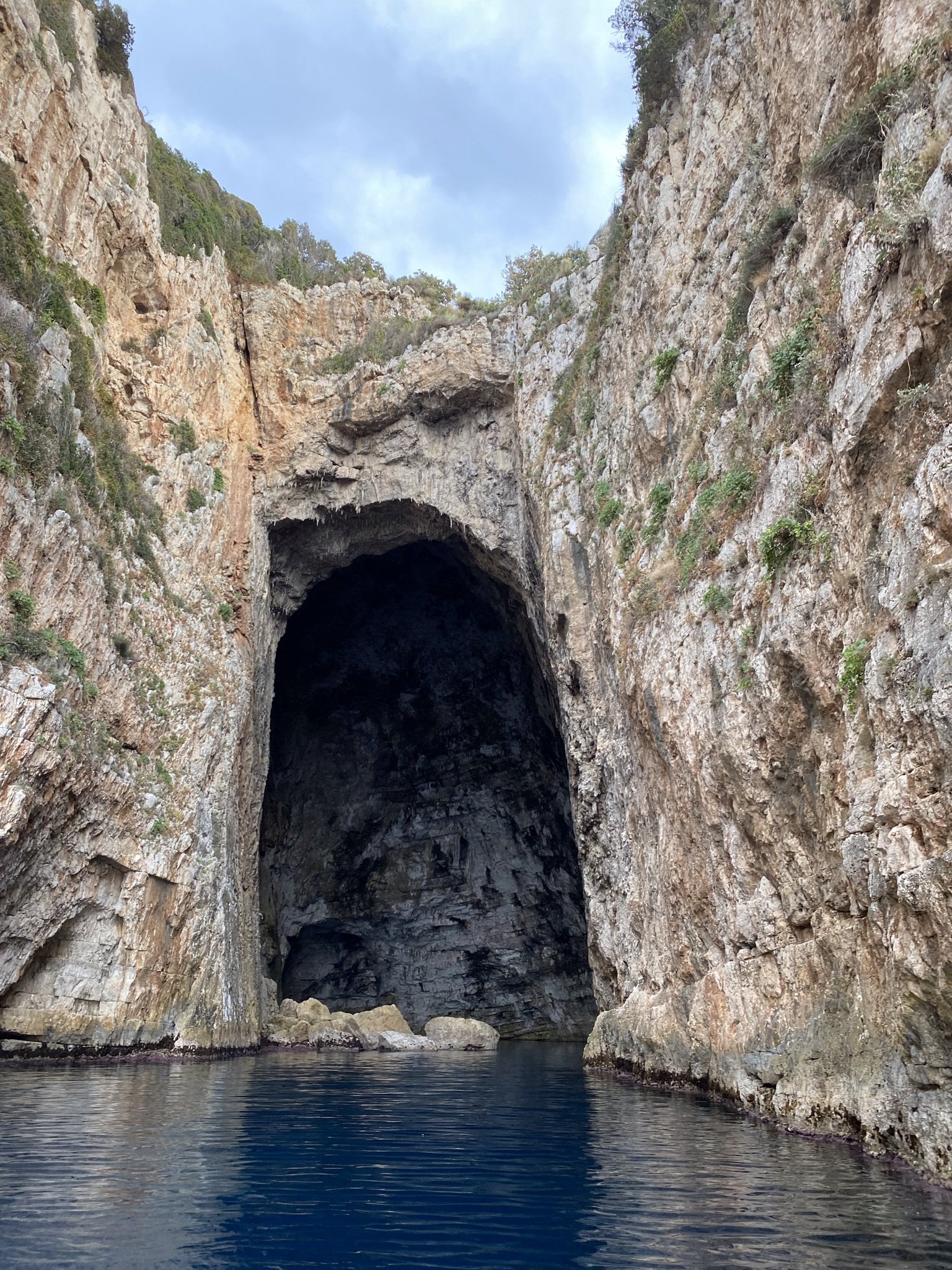
This protected area contains limestone cliffs that extend below the water surface, forming caves and tunnels. The clear waters here support a variety of Mediterranean flora and fauna.

Explore the cavern entrances during the early morning hours.

Vlora Bay

Vlora Bay

Known for its historical significance, the bay houses various remnants and geological formations. The seabed varies between sandy stretches and rocky outcrops offering distinct diving profiles.

Check local current reports before entering the water.

Ksamil Islands

Ksamil Islands

Surrounding these small islands are shallow rocky reefs populated by octopuses and sea stars. This area is suitable for observing Mediterranean marine life in a compact geographical zone.

Look into rock crevices to spot camouflaged marine life.

Checklist

Pre-Dive Preparation Checklist for Albania Diving Sites

Diving in Albania requires valid certification and personal documentation; operators along the Riviera verify credentials before every boat departure.

Book

Check availability

Frequently asked

Frequently asked questions about albania diving sites

Everything you need to know about albania diving sites

Do I need to book in advance for scuba diving in Albania?

While entry to the sites is free, booking with a professional operator is recommended to secure boat access and equipment. You can find more information about arranging your underwater trip at our official site.

Is it safe to go scuba diving in the Ionian Sea?

Yes, the waters along the Albanian Riviera are generally safe for recreational diving. Following the guidance of local experts and monitoring weather conditions ensures a secure experience while exploring the maritime heritage of the area.

Keep reading

More guides & pages