English| USD
Suggested for you
More currencies
Choose a language
The Albanian Ionian coast has emerged as one of the Mediterranean's quietest freediving frontiers. Clear water, varied depth profiles, and a growing network of operators make it accessible to both recreational breath-hold divers and certification candidates.
Quick answer
Albania freediving takes place along the Ionian Coast, with established operators in Vlorë, Sarandë, and Himarë. Entry to coastal sites is free; service fees apply when booking guided sessions, courses, or equipment rental. Morning departures between 08:00 and 12:00 offer the best visibility and calmest conditions before afternoon winds arrive. Most operators run daily from 08:00 to 20:00.
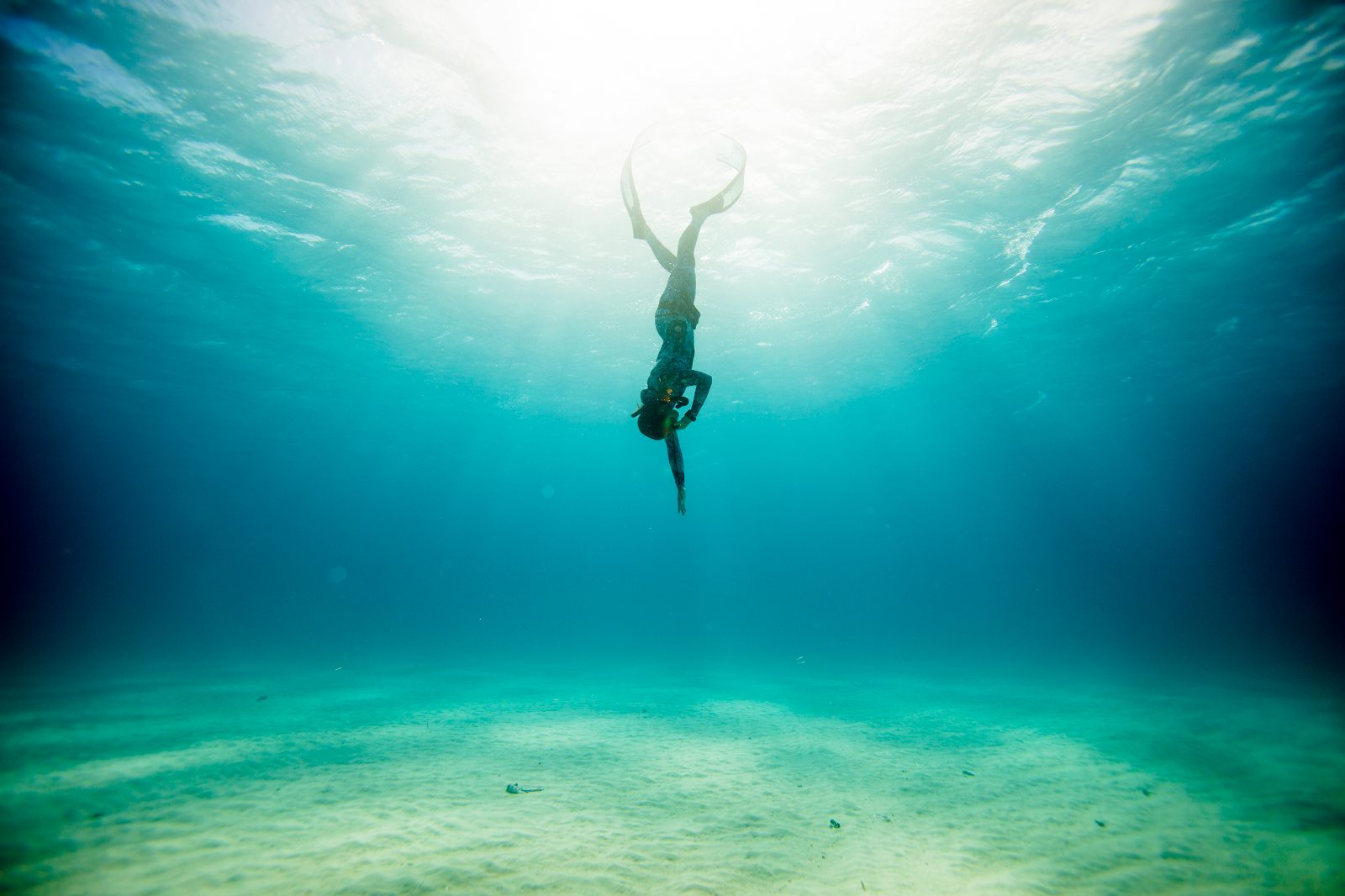
The Karaburun Peninsula and the marine reserve around Sazan Island host some of the clearest water in the Adriatic-Ionian basin, with summer visibility routinely exceeding 30 meters. Freediving along this coastline means vertical walls, submerged caves, and kelp forests reachable within a short boat ride from shore. Unlike the region's busier scuba circuits, breath-hold diving here remains low-density, with dive sites often empty mid-week. Operators cluster in three towns. Vlorë serves as the logistical hub for the Karaburun Peninsula and offers the widest range of guided apnea training, from discovery sessions to AIDA and SSI certifications. Sarandë, near the Greek border, provides access to southern reef systems and shallower platforms suitable for beginners refining equalization or static technique. Himarë, midway along the coast, balances convenience and seclusion, with operators running small-group excursions to less-trafficked walls and drop-offs. Water temperature drives the calendar. June through September sees surface temps between 24°C and 27°C, warm enough for a 3mm suit on recreational dives and comfortable for extended surface intervals. October remains diveable but requires thicker neoprene as thermoclines sharpen. Spring months bring plankton blooms that reduce visibility, making late spring a trade-off between smaller crowds and murkier conditions. Most centers close or reduce schedules between November and March. Certification is not mandatory for accompanied recreational dives to shallow depths, but operators expect proof of training for anything beyond 20 meters or solo diving. If you hold no credential, budget a half-day for a pool or confined-water orientation before heading offshore. Freediving in Albania rewards preparation—the coast's topography offers depth and challenge, but infrastructure remains lean, so self-sufficiency and clear communication with your operator matter more than they would at a resort-dense destination.
“The Karaburun Peninsula routinely delivers visibility beyond 30 meters, with vertical walls and submerged caves accessible within minutes of shore.”
The best arrival window is 08:00–12:00, as this period offers superior water visibility and calmer sea conditions before afternoon winds develop along the Ionian Coast. Planning freediving sessions during this timeframe ensures optimal aquatic clarity.
20°C–25°C water; calm seas
Early season provides clear water and lower visitor numbers before the peak summer heat.
24°C–28°C water; occasional winds
Peak season sees warmer water, but requires morning dives to avoid afternoon wind-driven chop.
22°C–26°C water; stable conditions
Water temperatures remain high while tourist crowds decrease, offering ideal visibility for freediving.
—
Arriving during the best arrival window of 08:00–12:00 midweek minimizes surface traffic and wind interference.
Verdict: The most effective time for freediving is during the weekday morning window of 08:00–12:00 throughout the months of May, June, September, or October.
Diving operators across the Ionian Coast, including those in Vlora, Saranda, and Himara, maintain consistent daily operating hours throughout the week.
Access to the Ionian coast for freediving is free of charge. Costs only apply when engaging professional instructors or boat-supported service providers.
Verdict: A typical visitor pays 0 EUR for coastal access, with total costs depending solely on the specific professional services or equipment rentals selected.
Freediving locations are situated along the Ionian Coast, primarily accessible through the regional hubs of Vlora, Saranda, and Himara. Travelers typically arrive via Tirana International Airport before using road transport to reach the coast.
SH4 highway from Tirana to Vlora
Direct bus from Tirana to Saranda
SH8 coastal road between Vlora and Himara
Local bus transport between Saranda and Himara
Renting a car at Tirana International Airport provides the most flexibility for accessing specific coastal dive sites. Ensure your vehicle is suitable for the winding mountain roads of the Llogara Pass when traveling toward Himara.
Essential preparation steps for freediving along Albania's Ionian Coast, arranged by timing.
Albania's freediving sites demand respect for marine ecosystems and adherence to safety protocols. Local operators enforce conservation rules and buddy-system requirements across all Ionian Coast locations.
Everything you need to know about albania freediving
Many operators along the coast offer introductory sessions tailored for those new to breath-hold techniques. Professional instructors prioritize buoyancy control and safety protocols to ensure a positive experience for all participants.
The best water visibility and calmest sea conditions occur between 08:00 and 12:00. Arriving during this window helps avoid the afternoon winds that often affect the coastline.
Several dive operators in Vlora, Saranda, and Himara provide specialized training and guided excursions. These centers maintain high safety standards for those interested in exploring the marine environment.
Entrance to the coastal areas is 0 EUR, as there is no general fee for accessing the water. Costs only apply if you book specific diving or freediving services with local providers.
You will typically need a mask, snorkel, fins, and a weight belt for proper buoyancy. Most local centers offer rental equipment, so you do not necessarily need to bring your own gear to start.
While some wrecks are accessible, they are often located at depths better suited for scuba equipment. Always consult with local guides to determine if a specific wreck is appropriate for your skill level.
The Ionian Sea offers clear waters and is generally safe when you follow local guidance. Always dive with a partner and remain aware of current weather patterns to ensure a secure environment.